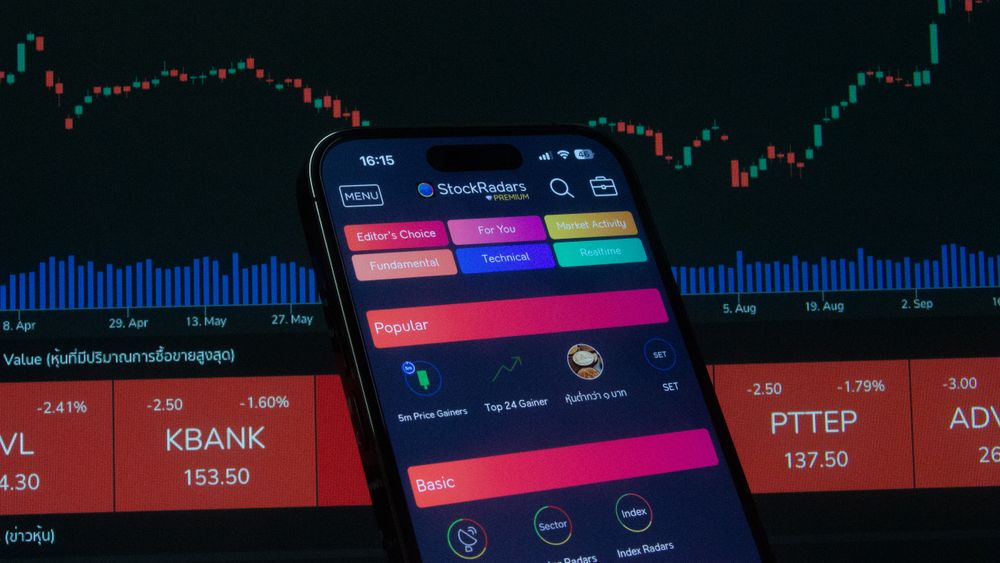

The stock market is having a rough moment. Investors woke up to red screens across Asia, sharp losses in major indexes, and headlines packed with geopolitical tension. It feels dramatic. It feels sudden. For many people, it feels like the start of something much worse.
The reality is less alarming than the headlines suggest.
Markets hate uncertainty, and right now there is plenty of it. Rising conflict in the Middle East, stronger-than-expected U.S. jobs data, and shifting expectations around interest rates have all arrived at the same time.
That combination has pushed investors into defensive mode. Stocks have fallen quickly, but that does not automatically mean a long-term crisis is unfolding.
Why Stocks Turned Lower Out of Nowhere?
Alpha / Pexels / The biggest trigger came from the Middle East. Fresh tensions involving Israel and Iran have rattled financial markets around the world.
Reports of military activity and renewed fears over regional stability have sent oil prices sharply higher.
Brent crude climbed toward $96 per barrel, a level not seen in recent months. Investors immediately started worrying about energy supply disruptions, especially around the Strait of Hormuz, one of the world’s most important oil shipping routes. When oil jumps this quickly, markets tend to react fast.
At the same time, a strong U.S. labor market report changed expectations for interest rates. Investors had been hoping the Federal Reserve would move closer to rate cuts. Instead, stronger hiring numbers suggested the economy remains surprisingly resilient.
That shifted the conversation almost overnight. Traders began pricing in the possibility that rates could stay higher for longer. Some even started considering the chance of another rate increase later this year. Higher rates generally put pressure on stock valuations, especially in fast-growing sectors like technology.
Asian Markets Take the Hardest Hit
The reaction was swift across Asia. South Korea’s KOSPI index dropped about 5%, making it one of the region’s biggest losers. Japan’s Nikkei fell nearly 4%, while Taiwan’s benchmark index posted similar declines.
Technology stocks absorbed much of the selling pressure. Semiconductor companies, which had helped power much of the recent market rally, suddenly found themselves under intense scrutiny. Investors became concerned that share prices had run too far ahead of fundamentals.
A weaker-than-expected outlook from Broadcom added another layer of anxiety. That news reinforced fears that the technology sector might be entering a cooling phase after months of strong gains. Once momentum shifted, sellers moved quickly.
The market reaction shows how sensitive investors remain to surprises. When expectations are high, even a small disappointment can trigger a larger response. That is especially true in sectors where valuations have already expanded significantly.
This Drop is Not the End of the Story!

Every decade includes periods when investors fear the worst. Oil shocks, wars, interest rate increases, economic slowdowns, and political uncertainty have all triggered market declines in the past. Markets have repeatedly recovered from those events.
What makes this situation different is the speed of the reaction. Investors are processing several major developments simultaneously. That can create exaggerated moves in both directions.
The previous week already showed signs of profit-taking after strong gains. Some investors were looking for reasons to lock in profits. The latest headlines simply accelerated a trend that had already started.
However, that does not mean risks should be ignored. Higher oil prices can hurt economic growth. Prolonged geopolitical conflict can weigh on confidence. Higher interest rates can slow business activity. These are real challenges. Still, none of them automatically point to a lasting market collapse.