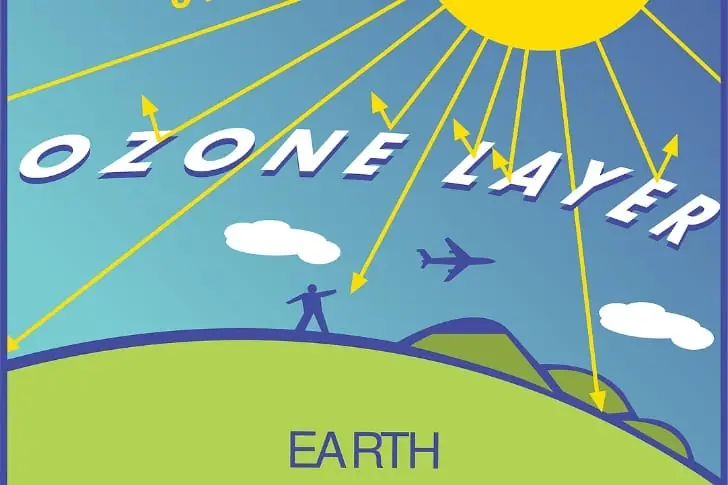
Clker-Free-Vector-Images/Pixabay: Ozone layer protects our planet from damage
Scientists first discovered the ozone layer rift back in 1985 over the Antarctic. Finding that chlorofluorocarbons are the culprit for the damage made way to the Montreal Protocol, which curbed the use of these chemicals found in spray cans, refrigerators, and halons, among others. Methyl bromide in pesticides is also harsh for the Earth’s shield.
Since the ozone layer filters out the harsh ultraviolet rays of the sun and basically sustains life on Earth, the rift could’ve potentially ended in doomsday.
But the controls in place for ozone-depleting chemicals have done its part over the years, and the ozone hole is slowly closing in, being the smallest we have seen it in years. It’s projected to heal in another three to four decades – but that’s only the good news.
Meanwhile, carbon emissions are still on the rise, and Earth’s lower atmosphere has more trapped heat than ever. This means the higher levels are equally cold, and polar vortexes are more easily formed.
Polar vortexes are strong winds that band together and circle the pole. This year’s vortex picked up both the arch-enemies of ozone—chlorine and bromine and charged at the ozone layer above the Arctic.
The result: a brand new hole that’s larger than any Arctic rip we’ve seen before. The tear opened up in March and closed up by April, but we might not be so lucky in the days to come.
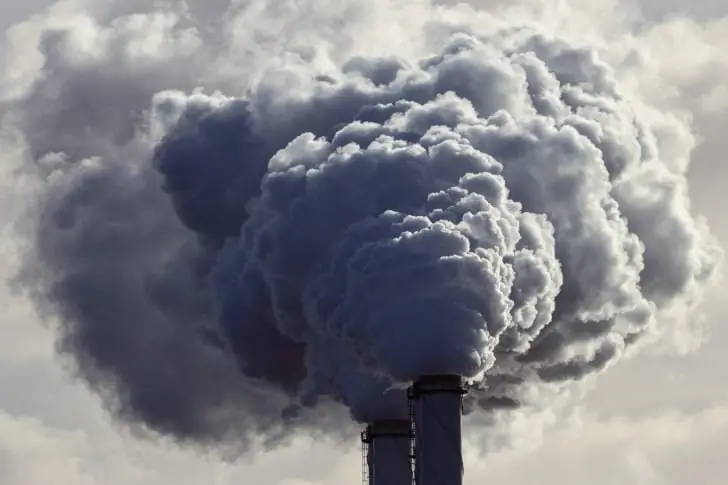
VanderWolf Images/Shutterstock: Side effects of all kinds of harmful gases we release in the atmosphere
Experts are blaming changes in weather, and the dual gases are undoubtedly from polluted air. The polar vortex has also been much stronger and persistent than its predecessors.
The chemicals also need sunlight to react with and harm the ozone, which is why this happens during Spring in the Northern hemisphere.
The Arctic vortexes are usually much short-lived than the South pole counterpart since the larger mix of water and land means more dynamic weather changes that can disturb a vortex from forming.
The ozone layer always heals itself, but the recent tear likely slowed recovery and made the layer thin-out too.
FrameStockFootages/Shutterstock: Predictions for the Arctic ozone layer’s future
Scientists are divided in their predictions for the future of the Arctic ozone layer. Some expect speedy recovery while some warn of recurring tears. Yet there’s one thing they agree on—if not for the Montreal Protocol and dropped chlorofluorocarbon levels, we might not have been able to recover from another rip.
So it’s important to keep these toxic substances away and help heal the ozone while healing ourselves!