
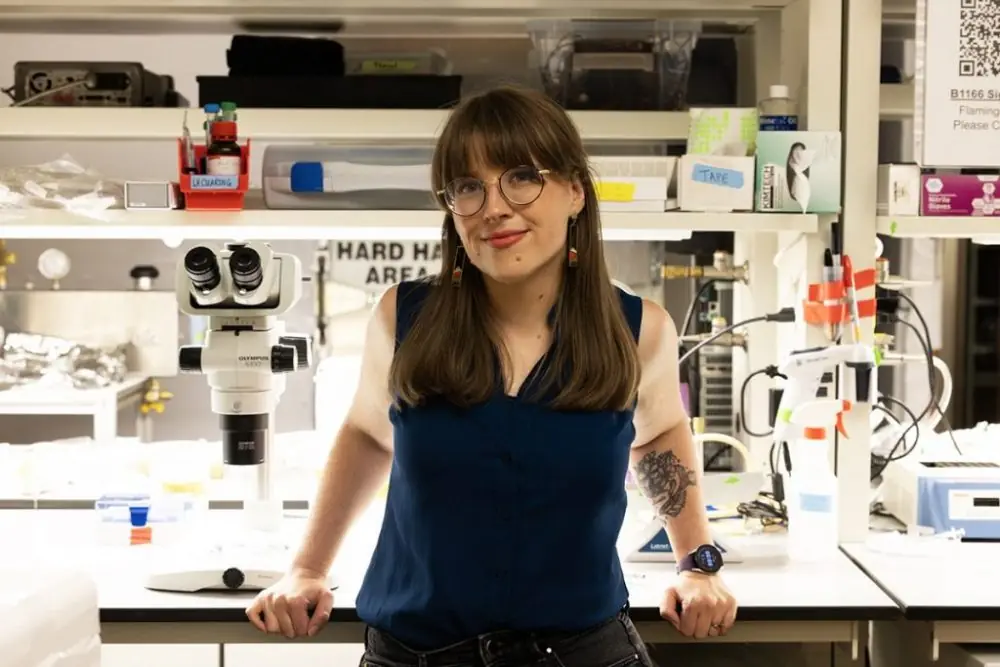
A tattoo is not just ink. For scientists, it is not a statement about their research, their career, or who they are. From neurons to DNA strands, researchers are choosing scientific images to celebrate breakthroughs and passions that shaped their journey. And they are putting it right on their skin.
The trend is growing. More and more scientists are heading to the tattoo chair, not on a whim, but with purpose. Each tattoo tells a story – of late nights in the lab, of academic struggles, of breakthroughs that changed their path. These tattoos aren’t vanity. They are badges of honor.
Almost All Tattoos Tell a Research Story
Kristin Barry had always wanted a tattoo. When she earned her neuroscience PhD in 2019, she knew it was time. Her work focused on hearing disorders, and she spent hours studying auditory thalamus neurons. Their branch-like shape, stained using the Golgi method, stuck with her.
So, she inked one behind her ear. A subtle spot, but powerful for someone who studied how the brain processes sound.
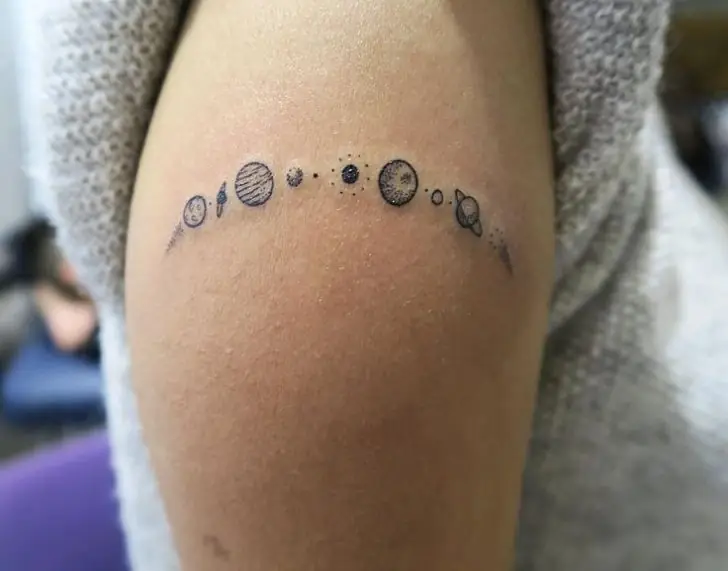
Barry, now a research fellow in Australia, wears it like a quiet anthem to the years she dedicated to science. And she is not alone.
Scientists are Turning Milestones Into Skin Art
Across labs and campuses, scientists are choosing tattoos to mark career highs. Some use them to celebrate published papers. Others etch personal moments or concepts from their research.
Science journalist Carl Zimmer noticed this pattern years ago and wrote a book about it: Science Ink. He was inspired after spotting a genetic code tattoo at a pool party. It spelled out someone’s wife’s initials, geeky and touching. Zimmer doesn’t have tattoos himself, but he gets the pull: tattoos carry weight. A paper goes in a drawer. A tattoo goes with you for life.
For some researchers, like paleoecologist Yoshi Maezumi, tattoos act like a visual diary. Her sleeve began with a hummingbird from her PhD work in the Amazon.
Over time, she added other species she studied. It evolved with her career. Working with the same tattoo artist for years, she built a living portfolio on her skin.
The Professional Risks of Visible Ink
Not everyone in the scientific community embraced tattoos right away. Visibility was a concern, especially in professional spaces. Yesenia Arroyo, a NASA research assistant, remembered being unsure about showing off their ink. They already had a spine tattoo. But this one would be seen by colleagues. That felt risky.
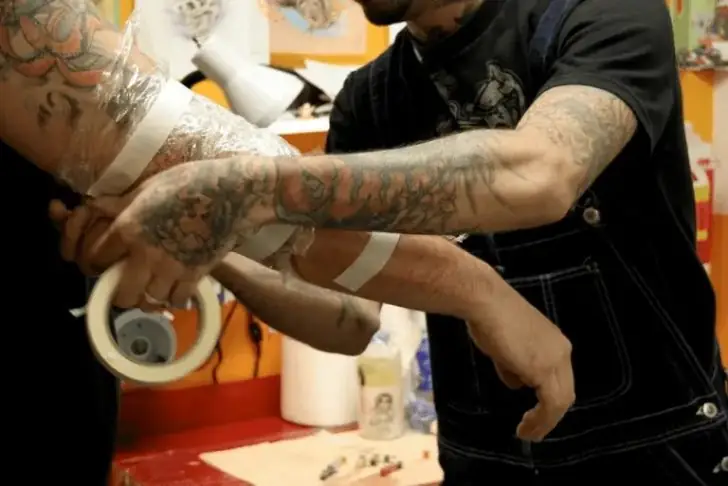
They wondered if it would hold them back. Would someone see the tattoos and decide they weren’t serious? These questions weighed heavy at first. But now, Arroyo wears them proudly, even adding new ones – like the electron configurations of carbon and oxygen.
More Scientists are Embracing Tattoos
Tattoos used to be something scientists hid. Now, some are being asked to show them off. In 2014, ESA scientist Matt Taylor was told to cover his tattoos at a big event. Later, the agency leaned into it, using them to make science relatable. Taylor admits his full sleeve was a bold step.
But by then, his job was secure. If he were still job-hunting, he might have hesitated.
The shift in attitudes is real. Younger scientists are more likely to see tattoos as normal. Arroyo thinks it is partly because the culture is changing. The old rules are fading. People are more open. Tattoos don’t shock the way they once did.