
A budget is designed to control your finances and expenses. It is a simple, written plan that tells your money where to go instead of wondering where it went. By mapping out your income, expenses, and savings goals, you create a clear picture of your financial life.
Without a budget, you will overspend, rack up debt, and feel like you are stuck in a paycheck-to-paycheck cycle. Learning how to budget helps you align your spending with your values and achieve what truly matters to you.
Set Clear Financial Goals
The first step is defining what you want to achieve. Do you want to pay off debt, save for a house, or finally start an emergency fund? Clear goals give you a purpose for every dollar you earn.

For example, if you are saving for a big purchase, like a car, break it into smaller milestones. Based on that, decide how much you need and by when.
Calculate Your Income and Expenses
Knowing how much money you have coming in is crucial. Add up all your income sources, be it your full-time job, side hustles, or freelancing gigs. This is your starting point.
Next, track your expenses. For a week or two, write down everything you spend, including bills, groceries, coffee runs, and subscription services. This will reveal patterns in your spending and help you identify areas where you can cut back.
Understand Fixed and Variable Expenses
Fixed expenses are predictable – rent, utilities, insurance. They stay the same each month. On the other hand, variable expenses, like eating out or shopping, fluctuate.
By separating these, you will see where you have flexibility. Fixed expenses are non-negotiable, but variable ones often offer opportunities to save. For example, swapping takeout for home-cooked meals can free up cash for your financial goals.
Choose a Budgeting Method
Different budgeting methods work for different lifestyles. Here are three popular options to consider:
Zero-Based Budget: Assign every dollar a job. Your income minus expenses should equal zero. It is detailed but keeps you accountable.
50/30/20 Rule: Allocate 50% of your income to needs, 30% to wants, and 20% to savings or debt repayment. It is simple and effective.
Envelope System: Use cash envelopes for specific spending categories. When an envelope is empty, you stop spending in that area. It is old-school but great for overspenders.
Pick one that feels manageable and fits your financial situation. The best budgeting method is the one you will actually stick to.
Create Your Budget
Now it is time to put it all together. Start with your total income and subtract your fixed expenses. Then allocate money to variable expenses like groceries, entertainment, and dining out. Finally, earmark a portion for savings or paying off debt.
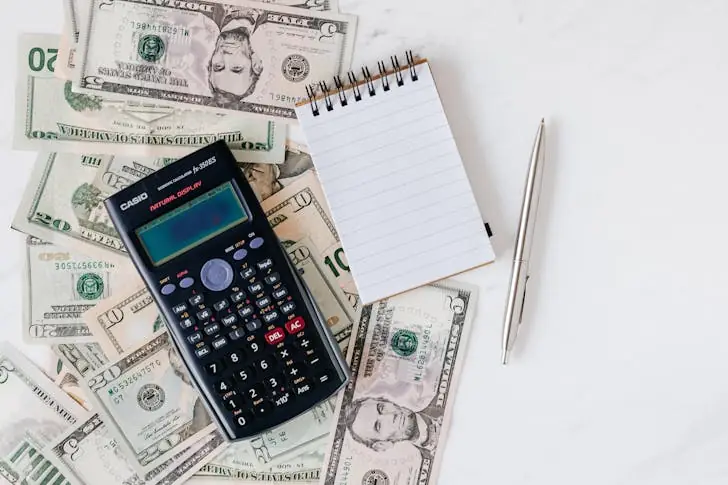
Be realistic. If you know you will want to treat yourself occasionally, budget for it. A budget is not meant to make life boring. It is a tool to help you balance fun with responsibility.
Track Your Progress and Adjust as Needed
Budgeting is not a one-and-done task. Life happens – unexpected bills pop up, or your income changes. Regularly review your budget to see what is working and what is not. Adjust as needed to stay on track.
Tracking your progress also keeps you motivated. When you see how much closer you are to paying off a loan or saving for a goal, it is easier to stay disciplined.
Stick to Your Budget
The hardest part of budgeting is sticking to it. It is easy to get tempted by sales, impulsive buys, or social pressure to spend. But remember, your budget is your plan for reaching your goals.
Set reminders to check your spending weekly, and celebrate small wins—like cooking at home instead of eating out. Over time, following your budget will become second nature.